
The Great Gin Guide
All of the gin-formation you need before your next martini. Botanicals, styles, how it’s made, and the bottles worth buying. (Plus, Gin Fizz bonus recipes!!)


It’s crisp. It’s aromatic. It makes the best martinis and some of the most refreshing cocktails around. And yet… gin can feel so confusing and intimidating.
London Dry? Old Tom? New Western? Why does one taste like a Christmas tree while another tastes like citrus and flowers? Today, we’re breaking it all down. ICYMI: I recently shared my Tequila Guide and my Mezcal Guide. I couldn’t leave my Gin lovers hanging!
Here’s what you can find in this Gin 101:
• What gin actually is (& why it tastes like that)
• How it’s made
• The different styles
• How to buy a good bottle
• And the gins I always reach for
If you’re thinking, wait… shouldn’t I be sipping a gin cocktail while reading this? I couldn’t agree more. I recently shared two recipes: a Gin Basil Sour and an Elderflower Gin Martini. Both are perfect for sipping while you learn a little more about gin. Now, let the fun be-gin.
My Favorite Gins
As always, let’s start with the part some of you came for: what to actually buy. These are the bottles I’d recommend and what I’d recommend them for! You’re welcome.
Hendrick’s Gin: I LERV this one. It’s super approachable, slightly floral with that signature cucumber flavor, and you can find it basically anywhere. A perfect crowd-pleaser!
Glendalough Irish Gin: I’m biased because I visited their distillery, but truly… I fell in love with both the liquid and the people behind the brand. It’s fresh, botanical, and just feels like spring in a bottle.
Four Pillars Gin: Bright, citrus-forward, and a little more modern. This one really amplifies citrus-style drinks! Psst… their olive gin is CHEFS KISS in a martini
Barr Hill Gin: Made with honey, so it has this soft, round sweetness that works beautifully in cocktails… a Bee’s Knee’s? the perfect gin for it!
Citadelle Gin: A classic French gin (obvi had to throw some french love in here) that’s clean, elegant, and super balanced. If you want something that leans a little more traditional, this is it.
Fords Gin (London Dry): If you want something super classic and bartender-approved, this is it. Clean, crisp, and built specifically for cocktails, so it plays really nicely here.
Hayman’s Old Tom Gin: If you’re feeling a little extra or want to be historically accurate, this is actually the style used in the original Ramos Gin Fizz (SEE RECIPE AT THE END). Slightly softer and a touch sweeter than London Dry, which works beautifully with the citrus and cream.
Now that you’ve locked in what you’re drinking, let’s talk about what’s actually inside.
What Is Gin?


At its core, gin is a neutral spirit. To make it, you start with a grain base, typically wheat or barley. Then, it’s flavored with botanicals, with juniper berries as the dominant flavor. I love telling this to people because so many have no idea that that is the main ingredient in gin. That’s the key rule. If juniper isn’t the star, legally it can’t be called gin.
If your spice cabinet turned into a spirit, it would be gin. Distillers can add ingredients like citrus peels, coriander, angelica root (a musky, almost star anise-like flavor), orris root (similar to licorice), cardamom, lavender, peppercorn, almond, or pretty much any other herb or spice you can think of. You might hear the phrase “botanical bill” used when talking about gin - it’s basically a fancy way of saying “recipe.”
The process of making gin is fairly similar to others you know well. It all starts with a neutral base…
How Gin Is Made
Step 1: Gin begins with a neutral spirit, usually wheat, corn, or barley. The goal here is to create a clean canvas that allows the botanicals to shine.
Step 2: This is where distillers get creative. It’s time to add botanicals (the items in your spice cabinet). Botanicals can be added in a few ways:
Maceration - botanicals soak directly in the spirit before distillation
Vapor infusion - alcohol vapors pass through a basket of botanicals
Blending - individual botanical distillates are combined afterward
Step 3: The spirit is distilled again with the botanicals, allowing a beautiful union of flavors. This step is what transforms a neutral spirit into ✨gin✨.
Step 4: After distillation, water is added to bring the spirit to its final alcohol level (usually somewhere around 40 to 47% ABV). Unlike whiskey or tequila, gin is almost never aged in barrels, which is why it’s a clear and bright liquid.
Why Gin Tastes So Different
Unlike tequila (one plant) or whiskey (grain-driven… whiskey guide incoming), gin’s flavor is entirely defined by the botanicals. I have never used the word botanical so many times in one day, wow. Here are some examples of botanicals (again) and the flavors they bring forth in gin:
Juniper naturally has a flavor similar to pine and resin, so if you don’t add additional additives to your gin, this is what you’ll find.
Citrus peel adds a familiar brightness
Coriander adds a lemony spice.
Angelica root or cardamom can add a more earthy or warm spice flavor.
Orris root will create a floral aroma.
Honestly, it’s pretty similar to cooking. If two chefs start with the same ingredients, they might end up with entirely different dishes. Gin works that way, too. Did you know there are different styles of gin, too?
The Different Styles of Gin


Here are the styles you’ll see most often:
London Dry Gin: Despite the name, it doesn’t have to be made in London. This is the classic gin style. It cannot have added sweeteners or artificial flavors added after distillation. With that said, it is very juniper-forward and crisp. This one is best for your martinis or negronis.
Plymouth Gin: This style comes specifically from the city of Plymouth, England. It’s slightly softer and more rounded than London Dry, with a little less aggressive juniper and more earthy, citrusy notes. Use this for martinis or classic cocktails when you want something a little more mellow.
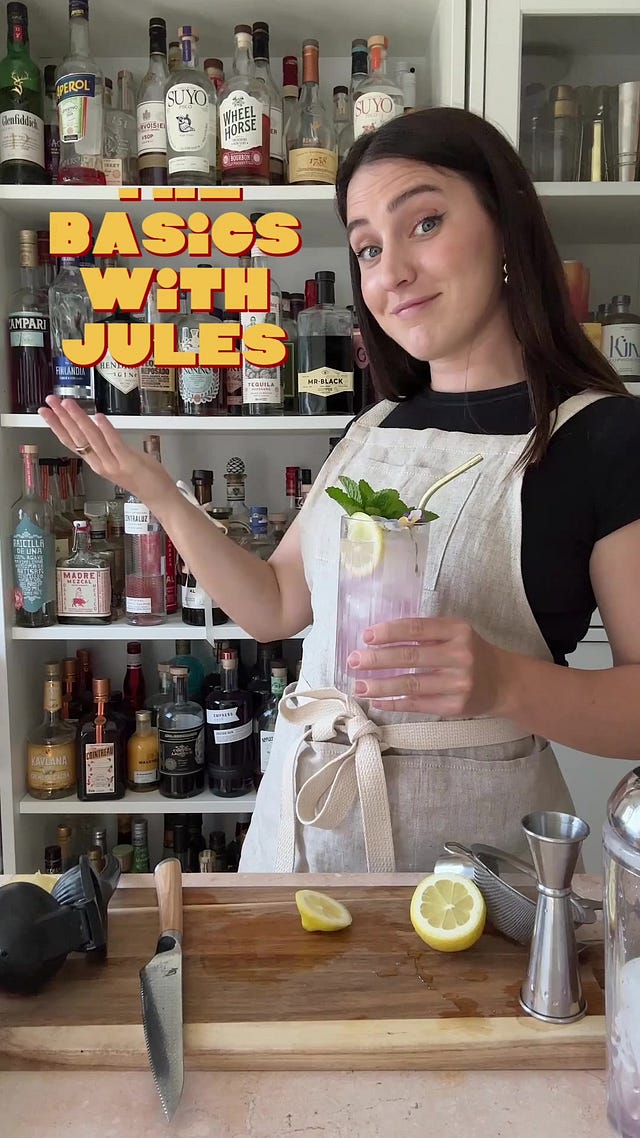
Old Tom Gin: Think of this as a softer, slightly sweeter style of gin. It sits somewhere between London Dry and the older Dutch style of gin, and was most popular in the 18th and 19th centuries. We still use it though! This one is great for classic cocktails like a Tom Collins or a Martinez. Here’s my Tom Collins recipe
 Tiktok failed to load.
Enable 3rd party cookies or use another browser
New Western (or Contemporary) Gin: Juniper is still present, but it isn’t always the dominant flavor. Instead, other botanicals like citrus, herbs, florals, or spices take center stage. These gins tend to feel more aromatic. Great for gin and tonics!
Navy Strength Gin: This style is all about strength. Navy strength gin is bottled at a higher alcohol content (usually around 57% ABV), which intensifies both the flavor and the aroma of the botanicals. It holds up really well in cocktails because it is so bold. This one is great when you want a gin that won’t get lost in the mix.
Dutch Gin (Genever): This is actually the original style of gin from the Netherlands and Belgium. Genever is made with a malt-based spirit, which gives it a richer, almost whiskey-like character with softer juniper and malty, grain-forward notes. You could just straight sip on a Dutch gin if you’d like!
Just like with tequila or mezcal, the label is your best friend when shopping for gin.
How To Shop For Gin
The alcohol aisle can always feel a little chaotic. There are dozens of bottles, all with different beautiful labels, competing for your attention. Not to panic, though! Choosing a good gin is much easier than it looks.
A great place to start is with the style. If you’re planning to make classic cocktails like martinis or negronis, a London Dry gin is usually the safest bet. If you prefer something a little lighter or more aromatic, a New Western or contemporary gin might be more your speed, since those tend to highlight citrus, florals, or herbs instead of leaning heavily on juniper.
Next, take a look at the botanicals listed on the bottle. Most distillers proudly share them (as they should!), and they can tell you a lot about what the gin will taste like. If you gravitate toward bright, fresh flavors, look for citrus notes like lemon, orange, or even yuzu. If you enjoy herbal profiles, botanicals like rosemary, thyme, or sage are a great sign. And if floral cocktails are more your thing, ingredients like rose (cue the new Harry Styles song), lavender, or chamomile will likely be right up your alley.
And remember… price isn’t everything when it comes to gin!!! Gin doesn’t rely on years of barrel aging like whiskey or tequila, so incredible bottles can still be very affordable. Many of the best cocktail gins live comfortably in the $25 to $35 range. Trust your instincts, know what you’re trying to make, and you’ll be just fine.
Gin It To Win It
Great cocktails start with great spirits, and gin is one of the most expressive spirits in the world! Now that you understand the basics… juniper, style, and botanicals (what’s my final “botanical” count for this article?), choosing a yummy bottle is so much easier. Got any other gin questions? Drop them in the comments, and I’ll help you out!
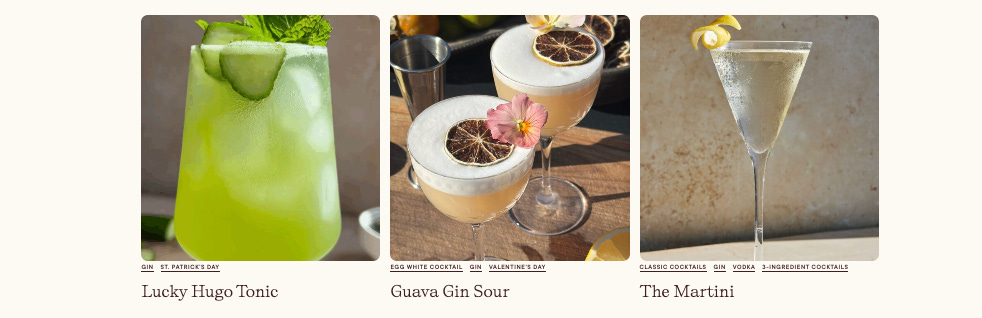
CLICK HERE FOR MORE GIN RECIPES
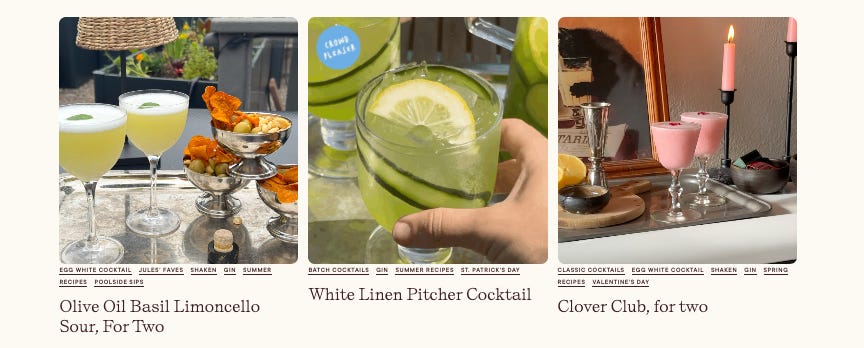
CLICK HERE FOR MORE GIN RECIPES
An Old Family Recipe, the famous Gin Fizz (made in a blender & serves 4+)
When I walk into a family member’s house in the spring, Easter Sunday, a garden brunch, there’s a sound that instantly tells you exactly what’s going on…
That zip of a blender and ice being crushed? Oh yeah, it means someone’s making Gin Fizzes!
Not the classic, individually shaken kind you’ll find at a bar. This is my family version. The one passed down, scaled up, and made for gathering. It’s light, citrusy, perfectly frothy, and meant to be poured and sipped together. It’s our family’s drink that says spring has officially arrived.
Here’s a photo of the original recipe… keep scrolling for my notes & tips!
